


A grassroots football club can spend around £8,000 a season before it wins a single trophy, and pitch hire alone runs £1,800 to £3,600 of that. The gap between what subs bring in and what a season costs is why clubs go looking for money. The good news is that funding for football clubs comes from five channels, and the door you can open depends on how your club is set up.
This guide names real UK programs with real figures, gives you a framework to match each source to what you actually need, and covers the funding base most committees overlook.
Football clubs are funded through five channels: grants (from £300 small grants up to £25,000 Football Foundation facility awards, usually needing a constituted not-for-profit club), local and corporate sponsorship, fundraising and crowdfunding, financing, and the membership subs the club already collects. The most reliable source of all is steady subs income.
What football clubs actually need funding for
Before you chase a source, get clear on the spend. Funding requests fall into a handful of buckets, and each one points to a different channel.
- Pitch and facility hire. The biggest recurring line. A pitch or sports hall runs roughly £60 to £120 a session, which adds up to £1,800 to £3,600 across a season.
- League and FA affiliation fees. League entry, county FA affiliation, and referee-society fees together land around £700 to £1,750 a season.
- Match officials. Referees cost roughly £20 to £35 a youth match and £40 to £50 an adult match, week in, week out.
- Kit and equipment. Match kit, training wear, balls, bibs, cones, and nets run £300 to £1,300 or more a season depending on how many teams you field.
- Insurance. Public liability and personal accident cover for a grassroots club is usually £300 to £600 a season.
- Facility build-out. New or improved pitches, floodlights, changing pavilions, and storage are five and six-figure projects, routed through facility grants rather than the weekly budget.
- Player subsidies and access. Funded places so cost never stops a child playing. This is the reason access grants exist in the first place.

Add it up and a typical club is looking at around £8,000 a year. Name that number first, because the funding source you chase depends on which of these lines you are trying to cover. That is the framework the rest of this guide builds toward.
First, know which funding you can actually get
Here is the gateway almost no one explains up front: your legal and accreditation status decides which doors are open to you.
Most grants require a constituted, not-for-profit club. In practice that means a written constitution, a committee with a chair, secretary, and treasurer, and a dedicated club bank account rather than someone's personal one. A safeguarding policy and DBS-checked volunteers are non-negotiable for any youth funding, and most funders will ask to see them before they read the rest of your application.
Football-specific money goes a step further. England Football Accredited Club status, the successor to Charter Standard, is required or strongly preferred by football-specific funds and county FA schemes. Registering as a Community Amateur Sports Club (CASC) unlocks business-rates relief and Gift Aid on donations, while charity or CIC status opens the larger grant doors. An informal team of mates paying cash into a shared account is not wrong, but it is locked out of most of the grant world until it constitutes.
The action line: confirm your structure and accreditation before you spend an evening on an application you can never win. Get the constitution, the committee, the bank account, and the accreditation in place, and the rest of this guide opens up.
Grants for football clubs
Grants are money you do not pay back, which is why they are the first thing clubs ask about. They are also the most competitive and the most paperwork-heavy, and almost all of them need the structure above. Below are real UK programs grouped by where the money comes from. Always check current eligibility and cycles on each program's own site before applying.
Football-specific grants
The Football Foundation is the largest funder of grassroots football in the country, having invested more than £1.3 billion across over 75,000 grassroots projects. Its Small Grants scheme awards up to £25,000 at a maximum of 75% of project cost, and larger facility grants back 3G pitches, grass-pitch drainage and improvement, floodlights, goalposts, pavilions and clubhouses, storage containers, and fencing. If your funding need is physical, this is the first door.
The Barclays Community Football Fund runs alongside it with smaller, faster money: access grants around £500, unrestricted grants of £1,000 aimed at women's and girls' football, and larger Deep Impact grants up to £5,000, plus coaching-course grants that put volunteers through their FA badges (our guide on how to become a football coach covers what those courses cost). County FA schemes sit underneath both. Every county FA runs its own localized pots and knows which national cycles are open, so your county FA development officer is the first call worth making.
National and lottery funding
Sport England's Movement Fund awards £300 to £15,000 on a rolling basis for projects that get more people active. Applications over £10,000 need to meet the relevant tier of the Code for Sports Governance, so read the criteria before you start. The National Lottery Community Fund runs a parallel route, with small grants of roughly £300 to £20,000 and larger multi-year awards above that, and it will fund running costs as well as capital, which most facility grants will not.
Small grants for kit and equipment
If you just need a set of kit or a rack of balls, smaller schemes are a faster fit than a facility application. Cash4Clubs has given grants of around £2,000 for kit and equipment to community sports clubs since 2008. Warburtons runs community and development grants from roughly £400 to £20,000, and the Together Fund awards up to around £3,000 for work with under-represented groups. Our football coaching equipment list covers what a season actually needs, so you can put a real number on the application. For everyday kit, a shirt sponsor (covered below) often beats a grant application on effort alone.
The match-funding trap
What catches clubs out is that a grant rarely covers the whole bill. Football Foundation Small Grants cap at 75% of project cost, and most facility grants expect you to match a share of the total yourself. So a £20,000 pitch project can need £5,000 or more from the club's own reserves, a second grant, sponsorship, or fundraising before the Foundation releases a penny.
Plan the match before you apply, not after you are approved. Sequence your smaller sources so the pot is ready when the big grant lands, and treat a healthy subs base as the reserve that makes the match possible. This is exactly why the next sections matter more than any single grant.
Sponsorship
Sponsorship is the channel grassroots organizers most often rate as their most successful, and the most repeatable once you have a pitch that works. Start local. Restaurants, trades, estate agents, gyms, and independent retailers all want their name in front of local families, and a pitchside banner, a logo on the match kit, or branded training wear delivers exactly that. These businesses decide fast and rarely need a national approval chain.
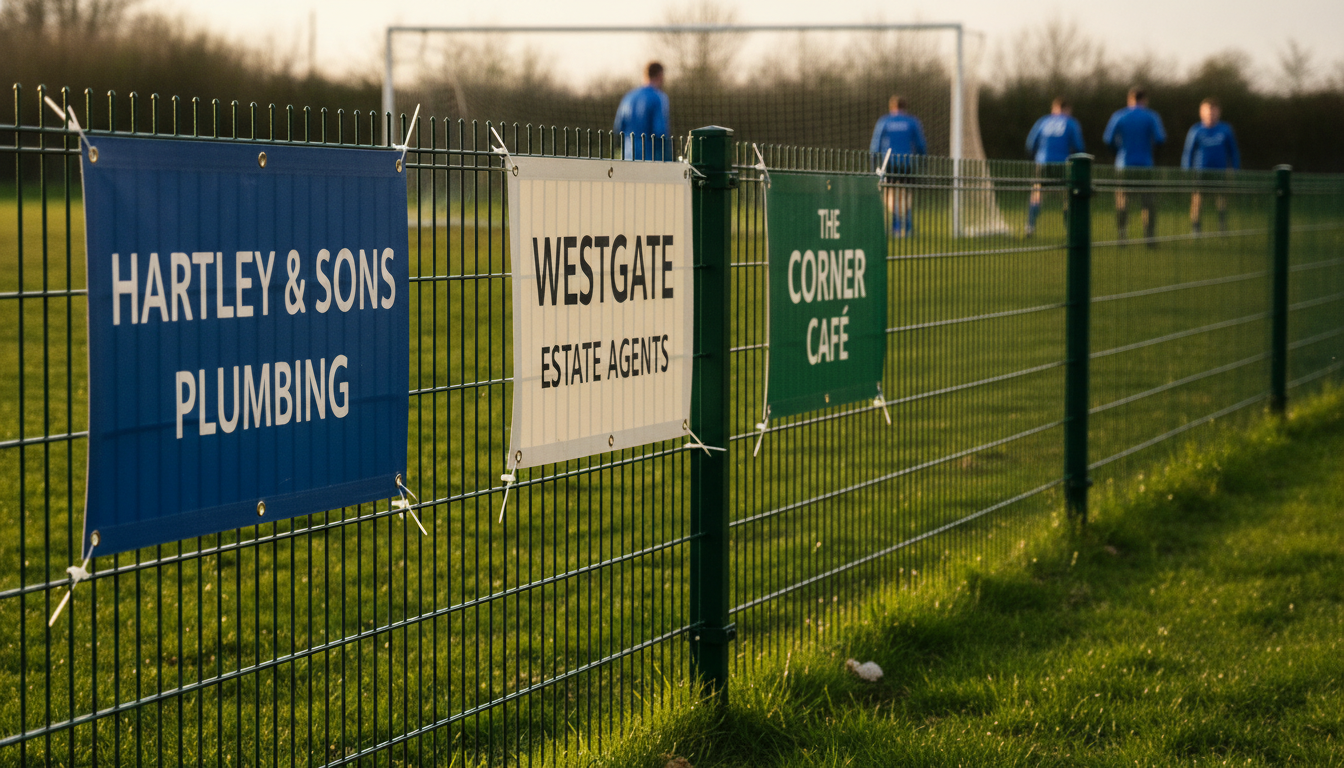
Package the ask in clear tiers so a sponsor can pick a level and say yes.
| Tier | Typical amount | What the sponsor gets |
|---|---|---|
| Bronze | £100 | Name on the website and a thank-you post |
| Silver | £250 | The above plus a pitchside banner |
| Gold | £500 | The above plus a logo on training wear |
| Platinum | £1,000+ | The above plus a logo on match kit and matchday naming |
Lead every ask with a one-page pack: how many families you reach, your demographics, and precisely what the sponsor gets in return. Face-to-face beats a cold email, and LinkedIn works well for reaching local business owners directly. Then deliver every promise, because a sponsor you keep next season is worth far more than one you chase every year.
Fundraising and crowdfunding
Keep this disciplined. Fundraising is table stakes, not your differentiator, so run the events that reliably work and move on. When you have a specific, visible goal, like a new kit set, an accessibility ramp, or a defibrillator, crowdfunding works because supporters see exactly what they are building. A clear target, a deadline, and regular photo updates turn a vague ask into a campaign people share.
Member-led events that reliably land in football include a sponsored skills or keepy-uppy-athon with pledges per skill, a race night or quiz night, a club presentation day with a raffle, and a run of team merchandise. Direct-sale product fundraisers can return a solid margin at volume, so they are worth running when you have the numbers to shift stock. The biggest earner of all is often a holiday camp in the school breaks, which brings in families beyond your own membership - our guide on how to run a football camp covers the planning, pricing, and sign-ups.
The funding source most clubs overlook: subs and membership
Grants and fundraising are top-ups. The foundation is steady subs income, and most clubs lose more of it each month than any grant would replace.
Look at where the money quietly leaks:
- Failed and declined recurring subs that no one chases, so the session is run but never paid for.
- Chasing payments by hand through WhatsApp reminders, cash in envelopes, and a treasurer's evenings spent reconciling who owes what.
- No-shows and unfilled places in sessions that cost the same to run whether or not every spot is filled.
- Unbilled extras like camps, one-off sessions, and tour contributions that slip through the cracks.
Plugging these is found funding with no application form. A club of 150 to 200 players that recovers a handful of failed subs and fills a few empty places each month is adding real money to the bottom line, every month, with no grant cycle to wait on. This is where reliable collection and retention become a funding strategy in their own right. A booking and payments system takes recurring subs automatically, retries failed ones, and keeps the roster full, so the leaks close without anyone chasing. Getting registrations and subs off spreadsheets is the first move, and our guide to the best football club management software covers what to look for. The other half of a full roster is demand, which is where football club marketing comes in.
What funders want before they pay
Whether it is a grant-maker or a sponsor, the people writing cheques ask for the same things, and most clubs scramble because the answers live in spreadsheets and memory.
Funders typically want:
- Participation and membership numbers
- Attendance and retention trends
- The demographics you serve, especially girls' participation and work in disadvantaged areas, which is what Barclays and Sport England reward
- Clean, current accounts
- A safeguarding policy and accreditation
- Proof of impact, like funded places actually filled
There are operational realities to plan around too. Accreditation and CASC or charity status take lead time to set up, most facility grants expect you to match at least 25% of the cost, cycles open and close on fixed dates, and awards usually need a follow-up report after the money is spent.
The pattern across all of it is data. When the numbers already sit in one system, you answer these asks in a minute instead of a week.
| Funder asks for | Where you get it |
|---|---|
| Membership numbers | Your booking system roster |
| Attendance and retention | Session registers |
| Demographics | Member account profiles |
| Financials | Payment and revenue reports |
| Proof of impact | Funded-place records |
How to choose the right funding mix
Tie it all together by matching the need to the source instead of chasing whatever you read about last. This is the framework the whole guide builds toward.
| Need | Best-fit sources |
|---|---|
| Kit and equipment | Cash4Clubs or Warburtons + a local shirt sponsor + subs |
| Pitch or facility build-out | Football Foundation facility grant + match funding + a capital campaign |
| Match officials, league fees, day-to-day | Subs + a shirt sponsor |
| Girls' and access programs, coaching | Barclays Community Football Fund + Sport England Movement Fund |
| Working capital and seasonal gaps | Healthier recurring subs + reserves |
Then sequence it. Stabilize subs first, because that is the base everything else sits on. Layer grants and sponsorship on top for growth and facility projects, line up your match funding before you apply, and use any financing only for assets with a clear payback. A club that does this in order rarely finds itself a raffle away from folding.
Key takeaways
- Funding for football clubs comes from five channels: grants, sponsorship, fundraising and crowdfunding, financing, and the subs you already collect.
- Your structure and accreditation decide what is open. Constitute the club and get FA accredited before you chase grants.
- Football-specific grants run from £500 access grants to £25,000 Football Foundation awards, and most facility grants need 25% or more in match funding.
- Start sponsorship local, package it in clear tiers, and lead every ask with your reach.
- Funders want participation numbers, safeguarding, and clean accounts, which a booking system produces on demand.
- Stabilize subs first, then layer grants and sponsorship, and close the leaks from failed payments and empty places.
FAQs
Can any football club get grants, or do you need to be a charity?
Most grants need a constituted, not-for-profit club with a constitution, a committee, and a dedicated bank account, not full charity status. For football-specific and county FA money, FA accreditation is usually required or strongly preferred. CASC or charity registration opens the larger doors and unlocks tax relief, but plenty of grants are open to an accredited community club that has not gone that far.
How much grant money can a grassroots football club realistically get?
For kit and access grants, £300 to £2,000 per award is the typical range. Facility grants from the Football Foundation reach up to £25,000 through the Small Grants scheme and higher for major projects. Most clubs assemble their funding from several smaller sources rather than landing one big grant, so plan to stack them.
What grants are available specifically for football?
The Football Foundation is the largest, backing pitches, facilities, and equipment. The Barclays Community Football Fund offers access grants, women's and girls' grants, and coaching support. The Utilita Grassroots Fund supports accredited clubs and volunteers, and every county FA runs its own local schemes. Your county FA development officer is the best first call.
What is match funding and why does it matter?
Match funding is the share of a project you have to pay yourself. Football Foundation Small Grants cap at 75% of project cost, so a £20,000 pitch project can need £5,000 or more from your own reserves, a second grant, or fundraising. You usually have to show the match is in place before the grant is released, so line it up before you apply.
Do you need FA accreditation to apply for funding?
For football-specific funds and county FA schemes, accreditation is usually required or strongly preferred. England Football Accredited Club status signals that you have safeguarding, qualified coaches, and proper governance in place, which is exactly what funders check. Even where it is not mandatory, being accredited makes almost every application stronger.
How do clubs fund kit and equipment?
Combine three sources. Apply for a kit or equipment grant like Cash4Clubs or Warburtons, line up a local shirt sponsor who wants their name on the new kit, and cover the rest from subs. That mix kits out a team without draining the season's budget, and a shirt sponsor often renews year after year.
What do sponsors expect in return?
Visibility in front of local families. That usually means a pitchside banner, a logo on the match kit or training wear, matchday naming, and mentions on your website and social media. Tiered packages, from around £100 to £1,000 and up, let a sponsor pick the level of exposure they want and make the yes easy.
How long does grant funding take?
Plan for months, not weeks. Sport England's Movement Fund, for example, suggests applying around 12 weeks ahead, with a decision several weeks after that. Cycles open and close on fixed dates, applications take time to write, and most awards release funds against a reporting schedule, so the money can arrive in stages rather than all at once.
What is the most reliable source of funding for a football club?
Steady subs income. Grants and fundraising come and go, but recurring subs, strong retention, and full sessions fund the club every month with no application. Closing the leaks from failed payments, no-shows, and unbilled extras often recovers more than a one-off grant would, which is why stabilizing subs comes first.